All Posts By

inbodyro

How Menopause Changes Your Body and What You Can Do About It

By Uncategorised

Menopause, which literally means the “pause” (end) of your “menses” (period), comes with many natural changes. Some women are lucky enough to skate through this time with no discomfort, while many experience the classic symptoms: fatigue, insomnia, and hot flashes. Reproductive and mood changes. And of course, the metabolic changes that result in weight gain around the torso and buttocks.

This increase in waist size has even earned a special name: “menopot”.

What exactly is going on during menopause, how does it affect your body composition, and what can you do about it? Read on as we answer these questions and more.

The physiological and metabolic changes of menopause

What exactly is happening during menopause? A lot! The transition to menopause, known as perimenopause, takes place over a period of several years. As the ovaries gradually reduce estrogen production, there are many hormonal fluctuations as the body adjusts to the inevitable shut-down of the ovaries.

A woman is officially in menopause when she has not gotten her period for 12-months straight. At this point, the ovaries have significantly reduced production of the hormones estrogen and progesterone, ending a woman’s child-bearing years.

There are significant physiological and metabolic changes occurring at this time that directly affect your body composition.  So, if you feel like the struggle to lose weight or change your body is more difficult than it was 10 or 15 years ago, it’s not your imagination.

Aging

Aging, in and of itself, has been associated with changes in body composition and weight.  In general, as women age, lean muscle mass decreases while fat mass accumulates.  Part of this change is due to the natural change of your metabolism as you age. Another significant factor is lifestyle.

Women tend to become less physically active as they pass from their 40’s into their 50’s.  A decrease in physical activity means less calories burned, which inevitably leads to increased weight and fat mass and muscle mass loss.  Another culprit is not adjusting caloric intake to compensate for the reduced metabolism.

Estrogen

Estrogens often referred to as the “female hormones,” are responsible for your sexual and reproductive development.  Produced primarily by the ovaries in women, estrogen levels plunge when your ovaries stops releasing eggs.

Reduction in estrogen has a few negative effects on the body’s propensity to store fat.  Animal studies have shown that lower estrogen not only increases appetite and food intake, it is also associated with changes in weight and fat distribution.  Coupled with estrogen’s negative effects on your metabolism, which may reduce the rate at which your body burns calories and the efficiency in how your body handles starches and blood sugar, the end result is increased fat storage.

Cortisol

Commonly known as the “stress hormone”, the primary function of cortisol is to help you respond to stress.  When cortisol prepares the body for a stressful situation, it often signals the breakdown of muscle tissue to release energy.

Chronic stress, which results in a continuous release of cortisol, has been associated with fat accumulation in the midsection of women.  This leads to a vicious cycle as abdominal fat leads to more cortisol production and cortisol continues to promote fat in the abdomen.

To compound the issue, a study found that women in perimenopause and early postmenopause experience elevated nighttime cortisol levels.  The study concluded that nighttime production of cortisol is associated with biological changes rather than actual environmental stress.   This means that proper sleep and stress management may be important tools to prevent fat storage around the belly.

Fat Distribution

This leads to one of the most common complaints women have about their bodies after menopause is the loss of their waistline.

While a decline in reproductive hormones (follicle-stimulating hormone, luteinizing hormone, estrogen, and progesterone) has not yet been directly linked to weight gain, several studies shows that menopause does play a role in many midlife women’s transformation from a pear-shaped figure (wide hips and thighs with more weight below the waist) to an apple shaped figure (wide waist/belly with more weight above the hips).

The International Journal of Obesity published a study that investigated how menopause affects body composition and abdominal fat distribution.  The study concluded that this period of life is associated with increased total fat mass. Another key finding confirmed, “the menopause transition appears to promote the selective accumulation of fat in the intra-abdominal compartment.”

Leptin

Leptin is known as the “satiety” hormone.  Produced by your fat cells, the hormone leptin determines the amount you eat, calories you expend and even how much fat your body stores. Leptin levels are based on an individuals’ fat mass and its primary purpose is to protect you from starvation.

Low levels of leptin signal your brain to increase feelings of hunger which trigger you to eat more while your body burns less energy.

Overall, women have higher leptin levels than men, which makes sense due to women naturally carrying a higher percentage of fat than men.

It has been found that leptin levels decline significantly in post-menopausal women, regardless of the amount of fat mass. This explains why so many women report an increased appetite during menopause.

Combined with the other menopausal factors of aging, decreased estrogen, increased cortisol, and metabolic changes, the hormone leptin only adds to the struggle for women trying to control their weight gain and fat accumulation.

Is it a losing battle?

Absolutely not!  While the odds seem to be stacked against you, you can take action to positively change your body composition after menopause. Remember to always consult with your physician before beginning a new exercise or eating plan. Here are some lifestyle changes you can take:

Move more!

All levels of exercise intensity — light, moderate, and intense — are highly beneficial to post-menopausal women for impacting body composition.

One study concluded that intense physical activity resulted in significantly lower levels of total body fat in postmenopausal women.

Here’s one area in which postmenopausal women have an advantage (finally!):  light physical activity has a greater impact on body composition in women after menopause than before.  It is important to note this study also found that sedentary lifestyle is more strongly associated with an increase in waist circumference after menopause than before.

The bottom line? You don’t have to start intense daily endurance and strength training to see improvements. Small lifestyle changes can make a big difference.  You can benefit from a variety of physical activities from gardening to walking.

Don’t forget strength training

The same principles apply postmenopause as they do at any age. You can’t forget your about fitness level just because you are aging. Strength training increases muscle mass and quality and helps balance your hormones like your estrogen levels.  More muscle mass increases metabolism, which may contribute to diminished weight gain and decreased fat mass.

Now more than ever is the time to counteract that loss of muscle mass to prevent a slowdown of that metabolic rate. You should aim for strength training exercises at least two times per week to get the maximum benefit for your muscles. Consult with a fitness professional to help you get started.

Watch what you eat

To reach your target body composition may require permanent lifestyle changes rather than a stop-gap dieting approach. Keep in mind you may need about 200 calories less per day to maintain your weight in your 50’s than you did in your 30’s due to a decline/decrease in muscle mass.  It is important not to take in too few calories as this will lead to muscle loss, which will slow your metabolism.

Instead of taking a restrictive dieting approach, aim to pay attention to what you eat and drink. Choose nutritious foods, such as fruits, vegetables, whole grains, and healthy proteins and fats. And make sure you get the extra nutrients you need, like extra protein, to help you build muscle. Avoid processed foods and limit sweets and alcohol.

Get enough sleep

Menopause is notoriously a time of challenged sleep, and lack of quality sleep directly affects hormones that alter your body composition, increasing cortisol levels the next day and may accelerate the development of metabolic consequences.  Practicing good sleep hygiene may help you get the 7-9 hours of nightly sleep you need. Sleep hygiene refers to habits that promote quality sleep, such as:

  • Regular exercise, but not too close to bedtime
  • Avoiding stimulants, such as caffeine and nicotine, close to bedtime
  • Adequate exposure to natural light during the day to maintain sleep-wake cycle
  • Avoiding long naps (more than 30 minutes) during the day
  • Establishing a relaxing bedtime routine with limited TV time
  • Creating a comfortable sleep environment

Manage stress

Remember that stress hormone called cortisol?  Effectively managing stress will reduce your body’s production of cortisol, which will help you avoid negative changes to your body composition, like fat gain and muscle loss.  You can’t eliminate stress, but you can do things to help you handle it better. Exercise, meditation, yoga, tai chi, spending time with friends, or just doing things you enjoy are all effective strategies to decrease your cortisol levels.

Conclusion

While some women dread the arrival of menopause, many embrace the freedom from years of menstrual cramps and bloating.  It is true you will likely experience changes during this midlife event — some not so welcome — but you can take control of your body composition with simple lifestyle changes.

Understanding the factors contributing to changes in your body composition — aging, estrogen, cortisol, fat redistribution, and leptin — is the first step to fighting the battle. At the same time, you will be warding off health conditions associated with an unhealthy body composition, such as diabetes and cardiovascular disease.  Regular physical activity, strength training, proper diet, adequate sleep, and stress management are all proactive things you can do to help during this natural aging process and help you enjoy your golden years.

***


Jennifer
 Boidy, RN is a freelance healthcare content writer who is always on the lookout for innovative technologies that improve health and the delivery of healthcare.  Jennifer resides in Manchester, MD with her husband, two teenagers, dog, cat, and plenty of wildlife.


How Menopause Changes Your Body and What You Can Do About It

By Body Composition

Menopause, which literally means the “pause” (end) of your “menses” (period), comes with many natural changes. Some women are lucky enough to skate through this time with no discomfort, while many experience the classic symptoms: fatigue, insomnia, and hot flashes. Reproductive and mood changes. And of course, the metabolic changes that result in weight gain around the torso and buttocks.

This increase in waist size has even earned a special name: “menopot”.

What exactly is going on during menopause, how does it affect your body composition, and what can you do about it? Read on as we answer these questions and more.

The physiological and metabolic changes of menopause

What exactly is happening during menopause? A lot! The transition to menopause, known as perimenopause, takes place over a period of several years. As the ovaries gradually reduce estrogen production, there are many hormonal fluctuations as the body adjusts to the inevitable shut-down of the ovaries.

A woman is officially in menopause when she has not gotten her period for 12-months straight. At this point, the ovaries have significantly reduced production of the hormones estrogen and progesterone, ending a woman’s child-bearing years.

There are significant physiological and metabolic changes occurring at this time that directly affect your body composition.  So, if you feel like the struggle to lose weight or change your body is more difficult than it was 10 or 15 years ago, it’s not your imagination.

Aging

Aging, in and of itself, has been associated with changes in body composition and weight.  In general, as women age, lean muscle mass decreases while fat mass accumulates.  Part of this change is due to the natural change of your metabolism as you age. Another significant factor is lifestyle.

Women tend to become less physically active as they pass from their 40’s into their 50’s.  A decrease in physical activity means less calories burned, which inevitably leads to increased weight and fat mass and muscle mass loss.  Another culprit is not adjusting caloric intake to compensate for the reduced metabolism.

Estrogen

Estrogens often referred to as the “female hormones,” are responsible for your sexual and reproductive development.  Produced primarily by the ovaries in women, estrogen levels plunge when your ovaries stops releasing eggs.

Reduction in estrogen has a few negative effects on the body’s propensity to store fat.  Animal studies have shown that lower estrogen not only increases appetite and food intake, it is also associated with changes in weight and fat distribution.  Coupled with estrogen’s negative effects on your metabolism, which may reduce the rate at which your body burns calories and the efficiency in how your body handles starches and blood sugar, the end result is increased fat storage.

Cortisol

Commonly known as the “stress hormone”, the primary function of cortisol is to help you respond to stress.  When cortisol prepares the body for a stressful situation, it often signals the breakdown of muscle tissue to release energy.

Chronic stress, which results in a continuous release of cortisol, has been associated with fat accumulation in the midsection of women.  This leads to a vicious cycle as abdominal fat leads to more cortisol production and cortisol continues to promote fat in the abdomen.

To compound the issue, a study found that women in perimenopause and early postmenopause experience elevated nighttime cortisol levels.  The study concluded that nighttime production of cortisol is associated with biological changes rather than actual environmental stress.   This means that proper sleep and stress management may be important tools to prevent fat storage around the belly.

Fat Distribution

This leads to one of the most common complaints women have about their bodies after menopause is the loss of their waistline.

While a decline in reproductive hormones (follicle-stimulating hormone, luteinizing hormone, estrogen, and progesterone) has not yet been directly linked to weight gain, several studies shows that menopause does play a role in many midlife women’s transformation from a pear-shaped figure (wide hips and thighs with more weight below the waist) to an apple shaped figure (wide waist/belly with more weight above the hips).

The International Journal of Obesity published a study that investigated how menopause affects body composition and abdominal fat distribution.  The study concluded that this period of life is associated with increased total fat mass. Another key finding confirmed, “the menopause transition appears to promote the selective accumulation of fat in the intra-abdominal compartment.”

Leptin

Leptin is known as the “satiety” hormone.  Produced by your fat cells, the hormone leptin determines the amount you eat, calories you expend and even how much fat your body stores. Leptin levels are based on an individuals’ fat mass and its primary purpose is to protect you from starvation.

Low levels of leptin signal your brain to increase feelings of hunger which trigger you to eat more while your body burns less energy.

Overall, women have higher leptin levels than men, which makes sense due to women naturally carrying a higher percentage of fat than men.

It has been found that leptin levels decline significantly in post-menopausal women, regardless of the amount of fat mass. This explains why so many women report an increased appetite during menopause.

Combined with the other menopausal factors of aging, decreased estrogen, increased cortisol, and metabolic changes, the hormone leptin only adds to the struggle for women trying to control their weight gain and fat accumulation.

Is it a losing battle?

Absolutely not!  While the odds seem to be stacked against you, you can take action to positively change your body composition after menopause. Remember to always consult with your physician before beginning a new exercise or eating plan. Here are some lifestyle changes you can take:

Move more!

All levels of exercise intensity — light, moderate, and intense — are highly beneficial to post-menopausal women for impacting body composition.

One study concluded that intense physical activity resulted in significantly lower levels of total body fat in postmenopausal women.

Here’s one area in which postmenopausal women have an advantage (finally!):  light physical activity has a greater impact on body composition in women after menopause than before.  It is important to note this study also found that sedentary lifestyle is more strongly associated with an increase in waist circumference after menopause than before.

The bottom line? You don’t have to start intense daily endurance and strength training to see improvements. Small lifestyle changes can make a big difference.  You can benefit from a variety of physical activities from gardening to walking.

Don’t forget strength training

The same principles apply postmenopause as they do at any age. You can’t forget your about fitness level just because you are aging. Strength training increases muscle mass and quality and helps balance your hormones like your estrogen levels.  More muscle mass increases metabolism, which may contribute to diminished weight gain and decreased fat mass.

Now more than ever is the time to counteract that loss of muscle mass to prevent a slowdown of that metabolic rate. You should aim for strength training exercises at least two times per week to get the maximum benefit for your muscles. Consult with a fitness professional to help you get started.

Watch what you eat

To reach your target body composition may require permanent lifestyle changes rather than a stop-gap dieting approach. Keep in mind you may need about 200 calories less per day to maintain your weight in your 50’s than you did in your 30’s due to a decline/decrease in muscle mass.  It is important not to take in too few calories as this will lead to muscle loss, which will slow your metabolism.

Instead of taking a restrictive dieting approach, aim to pay attention to what you eat and drink. Choose nutritious foods, such as fruits, vegetables, whole grains, and healthy proteins and fats. And make sure you get the extra nutrients you need, like extra protein, to help you build muscle. Avoid processed foods and limit sweets and alcohol.

Get enough sleep

Menopause is notoriously a time of challenged sleep, and lack of quality sleep directly affects hormones that alter your body composition, increasing cortisol levels the next day and may accelerate the development of metabolic consequences.  Practicing good sleep hygiene may help you get the 7-9 hours of nightly sleep you need. Sleep hygiene refers to habits that promote quality sleep, such as:

  • Regular exercise, but not too close to bedtime
  • Avoiding stimulants, such as caffeine and nicotine, close to bedtime
  • Adequate exposure to natural light during the day to maintain sleep-wake cycle
  • Avoiding long naps (more than 30 minutes) during the day
  • Establishing a relaxing bedtime routine with limited TV time
  • Creating a comfortable sleep environment

Manage stress

Remember that stress hormone called cortisol?  Effectively managing stress will reduce your body’s production of cortisol, which will help you avoid negative changes to your body composition, like fat gain and muscle loss.  You can’t eliminate stress, but you can do things to help you handle it better. Exercise, meditation, yoga, tai chi, spending time with friends, or just doing things you enjoy are all effective strategies to decrease your cortisol levels.

Conclusion

While some women dread the arrival of menopause, many embrace the freedom from years of menstrual cramps and bloating.  It is true you will likely experience changes during this midlife event — some not so welcome — but you can take control of your body composition with simple lifestyle changes.

Understanding the factors contributing to changes in your body composition — aging, estrogen, cortisol, fat redistribution, and leptin — is the first step to fighting the battle. At the same time, you will be warding off health conditions associated with an unhealthy body composition, such as diabetes and cardiovascular disease.  Regular physical activity, strength training, proper diet, adequate sleep, and stress management are all proactive things you can do to help during this natural aging process and help you enjoy your golden years.

***


Jennifer
 Boidy, RN is a freelance healthcare content writer who is always on the lookout for innovative technologies that improve health and the delivery of healthcare.  Jennifer resides in Manchester, MD with her husband, two teenagers, dog, cat, and plenty of wildlife.


The Top 3 Reasons Diets Fail (and how to stay on course)

By Uncategorised

If you recently decided to focus on losing excess weight, you probably noticed a small burst of motivation after choosing what your diet and training plans would look like. That sense of finally moving in the right direction…it can be pretty exciting.

And it should be! Make no mistake: making healthy choices about the quality and quantity of the food that you eat is a huge part of becoming a healthier version of yourself.

But the reality is the actual long-term success rate of diets is dismal. Sometimes people dive into their diets only to give up on them within weeks. What’s worse, studies have shown that only 1 in 5 people are successful at keeping the weight off in the long run. That means 80% of people fail to achieve their health goals. Is it simply a case of a lack of discipline? No!

A lot of people are making mistakes, and without proper guidance and education, chances are you too may end your fitness journey frustrated.

So without further ado, let’s take a look at the most common reasons that diets fail and explores strategies to help you push through those barriers and get closer to becoming a happier, healthier you.

1. Poorly Defined Goals

Having a dietary plan in place is a great place to start–as long as you have realistic expectations and clear goals. Now, before we dive into this, let’s get one thing out of the way: ideally, health and wellness is a journey, not a destination. The pursuit of a healthier mind and body is something that never truly ends and should simply become a way of life.

But…embracing that way of life isn’t easy. And expecting someone who’s never had to worry about nutrition or training regimen to become a health nut overnight is unrealistic. That very mentality is the foundation for why so many diets fail (but more on that later).

The average first-time dieter is going to be looking at an uphill battle. Yes, they’ll have to combat all of their old habits and temptations. And sure, making a health-oriented lifestyle second nature is a tall order. But if we really want to know what really ruins people’s efforts, we need to take a look at the glaring flaw in most nutrition plans: the lack of clearly defined goals.

It may sound obvious, but many people begin fitness journeys with only the vaguest of goals, which sets them up for potential failure, especially in the long-term.

  • Clearly Define Success

If you ask the first-time dieter, they might say that they want to lose 20-30 pounds or ‘look good in a swimsuit’ in 30 days. Setting these types of goals are a common mistake. Most people typically don’t have reasonable expectations on how long it will take to make substantial changes. By setting unrealistic, vague goals you are setting yourself up to fail. If you want to ensure your success, you need to understand not only where you stand right now in terms of body composition, but where you want your body composition to be in the future.

To put things simply: how can you expect to hit a target when you don’t know exactly what you’re aiming for?

That’s where an understanding of your body composition comes in handy.

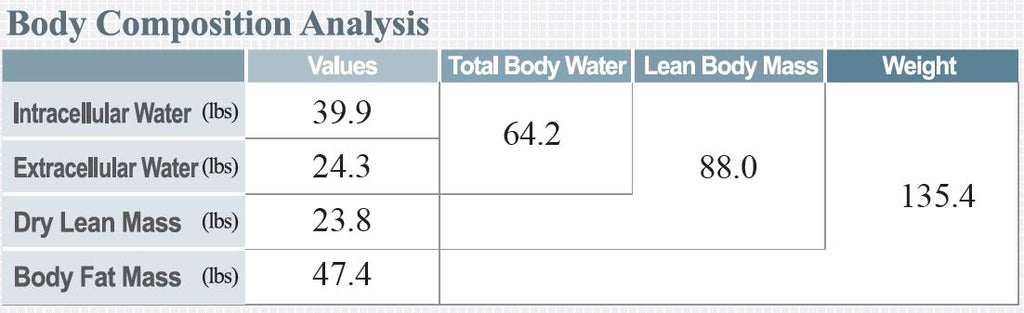
Once you understand how much Lean Body Mass and Fat Mass you have, you’ll be in a better position to tackle the next important question: which do you want to address first?

Your body will have an unique response to different programs. Whether you decide to focus on fat loss first or developing Lean Body Mass, the key is that you create a goal-oriented plan that can keep you on track.

Additionally, dieting is more than just figuring out what you should be eating. The ideal diet has to be paired with a series of realistic, achievable goals that you can measure.  What gets measured gets managed, and vague goals are the bane of any successful training plan. The more well-defined your goal is, the easier this journey will be for you.

Instead of saying you want to ‘get stronger’, focus on gaining 5 pounds of muscle. Instead of wanting to ‘look good in a bikini’, focus on losing 10 pounds of fat. Not only does this help as a way to keep you motivated and consistent throughout the process, this subtle change in mentality can actually have a massive impact on the overall effectiveness of your training.

You’ll be able to avoid increasing your Fat Mass while adding those extra 5 pounds to your Lean Body Mass. On the flip side, you can avoid losing muscle (which can have some pretty disastrous consequences , even more so as you age). The real power of keeping track of your progress is that you’ll constantly be aware of what’s working, what isn’t, and how you can improve.

  • Track Key Milestones

So now that you’re tracking your body composition, you’ve clearly defined a goal and you’ve chosen an approach. These are all powerful concepts, but the glue that will hold them together is the use of milestones en route to that goal.

Milestones matter because they help you celebrate small successes on your fitness journey. They’re the answer to the question of ‘how do I keep myself on track for the next 3 months?’ Losing 10 pounds of Fat Mass is going to take quite a bit of work and time, so it helps to track smaller accomplishments along the way.

When you create a list of milestones, you’ll have built a roadmap for your fitness journey. Once you understand what your goal looks like, each milestone can be used to keep you charging in the right direction. Beyond that, they give you the opportunity to make health and wellness second nature over time.

What do realistic milestones look like, from a body compositional standpoint? These will vary for everyone, but generally speaking, someone who creates a caloric deficit of 500 calories per day (a 3,500 calorie weekly deficit) stands to lose 1 pound of body fat per week, or 4 pounds a month if the diet is “perfect” all month.

It gets tricker to set muscle milestones, because there are so many factors that contribute to effective muscle gain. However, assuming you’re new to muscle-building, one realistic estimate is that you can add about two pounds of muscle per month, with this number decreasing over time as you continue to lift.

If you really want to make being healthy a habit, create a series of milestones and you’ll have more than the undeniable proof that what you’re doing just isn’t working–you’ll be on your way to making health a priority in your life.

2. The Expectation of Perfection

There’s nothing wrong with dreaming big when it comes to diet and exercise. We should all strive to want to be the strongest, healthiest versions of ourselves. However, envisioning something for your future and expecting it virtually overnight is not a recipe for success.

Many times people aspire to some idealized expectation of perfection, and so they set unrealistic goals, like dropping 30 pounds in 2 months. This is a mistake.

By nature, diets tend to be restrictive. In fact, most diets are designed with the intent of planning out each of your meals for you. The idea is that by erasing the need to think about what your next meal will look like, you’re more likely to make the right choice and stick to your diet.

Of course, that works perfectly well on paper. But in the real world, it’s hard to be perfectly consistent. The reality is mistakes will be made, and that’s OK. Your birthday/anniversary is coming up. Grandma will be offended if you don’t eat her famous chocolate cake. Or you are stuck at a event that lacks healthy food choices. These are just a few situations that diets aren’t really designed to account for.

Here’s what’ll usually happen. More often than not, you’ll have a person who wants to stick to their diet but can’t for some unavoidable reason. The issue here is that they then tend to fall into the trap of saying “well, I already messed up lunch. I’ll just make today a cheat day and start again tomorrow.”

Unfortunately, a cheat day can quickly turn into a cheat week and slowly but surely, people are completely off track. Think of this as the ‘New Year’s Resolution Effect’. Trying to take on too much, too soon is tough enough, but expecting everything to go perfectly according to plan can be a recipe for disaster.

This expectation of perfection is more than just unrealistic. It has the potential to undermine the average person’s health journey and, worse, make them think that they’re incapable of dieting properly.

So, how do you avoid this dieting trap? Simple: stop expecting perfection.

To clarify, if you want to have a successful diet, stick to the script as best you can. But the occasional cheat day won’t undo weeks or months of training and dieting. You need to be willing to forgive yourself for any mistakes that you make along the way.

Just remember that moderation is key here. A cheat day once a month is one thing, but a cheat weekend can get out of control quickly. Once that cheat day is over, you need to be ready to tackle tomorrow with the same intensity as before.

3. An Imbalanced Approach

This is arguably the easiest mistake to make when it comes to your health and wellness journey. And the worst part? This issue might seem minor, but it can have a massive impact on your results. So, what is this mysterious issue we keep alluding to? Imbalance.

One of the most common issues that you’ll notice with a person just getting started on their fitness journey (and even seasoned veterans) is a lack of balance between diet and exercise when it comes to their approach.

Some people are guilty of making their diet a priority and neglecting their physical training. Others are guilty of putting all the focus on their physical training without paying too much attention to the quality of their diet. No matter which side of the imbalance an individual is on, that person’s results and progress will suffer.

Without proper training, expecting your body to increase lean body mass and decrease fat mass by itself is wishful thinking, at best. Study after study has shown that the most effective way to help your body build lean mass and lose fat mass is through a regularly implemented strength training regimen AND an optimized diet.

For those of you who think they can just start some type of exercise plan and see results, think again. If you want to hit those milestones that you’ve planned out and actually improve your body composition, you’ll need to have a diet that allows you to improve it. Specifically, you need to be following a diet that falls in line with your current body composition and body composition goals. How can you do that?

We’ve covered the BMR (Basal Metabolic Rate) hacking approach in-depth before, but here’s the abridged version: By determining your BMR using your Lean Body Mass, you’ll be able to calculate how calories your body needs on a daily basis to keep you alive. This is critical.

Once you have that information, you can start thinking about your caloric needs in terms of planning a diet by converting your BMR into your TDEE (Total Daily Energy Expenditure). Your TDEE is a general estimate of how many calories you body uses during the day, and you can use it to plan out your diet.

Are you trying to optimize your diet for weight loss? Then you’ll need a caloric deficit. Trying to gain Lean Body Mass? You’ll need to go beyond your typical caloric needs. Knowing your body composition and having a clearly defined goal means that you can use tools like BMR diet-hacking to get results sooner and more consistently than ever before.

Staying Consistent

Keep in mind that building new habits and improving your health is not going to be simple. Even if you’re able to take these lessons to heart and overcome these three common obstacles, you’ll still face unexpected difficulties. Dieting, training and the overall journey towards becoming a healthier you will almost certainly be a challenging experience. But if you’re ever in a tough spot, keep in mind the overall theme of these solutions.

The tangible solutions of creating milestones, discarding the expectation of perfection, and having a balanced approach to your diet and training all have one thing in common: They’re built on the understanding that, at the end of the day, you’re a human being

People make mistakes and poor choices. And change is anything but easy. Accepting how hard this journey is going to be is the first step to actually completing it. The second step? Realizing that you CAN do this if you set yourself up for success and arm yourself with the knowledge to reach your goals.

***

Brian Leguizamon is a content marketing specialist. Brian has worked with Shopify, Gigster and a bunch of startups you’ve never heard of. When he’s not working, you’ll find him at his local gym, waiting for the squat rack to open up

Source: https://inbodyusa.com/blogs/inbodyblog/the-top-3-reasons-diets-fail-and-how-to-stay-on-course/

The Top 3 Reasons Diets Fail (and how to stay on course)

By Diet

If you recently decided to focus on losing excess weight, you probably noticed a small burst of motivation after choosing what your diet and training plans would look like. That sense of finally moving in the right direction…it can be pretty exciting.

And it should be! Make no mistake: making healthy choices about the quality and quantity of the food that you eat is a huge part of becoming a healthier version of yourself.

But the reality is the actual long-term success rate of diets is dismal. Sometimes people dive into their diets only to give up on them within weeks. What’s worse, studies have shown that only 1 in 5 people are successful at keeping the weight off in the long run. That means 80% of people fail to achieve their health goals. Is it simply a case of a lack of discipline? No!

A lot of people are making mistakes, and without proper guidance and education, chances are you too may end your fitness journey frustrated.

So without further ado, let’s take a look at the most common reasons that diets fail and explores strategies to help you push through those barriers and get closer to becoming a happier, healthier you.

1. Poorly Defined Goals

Having a dietary plan in place is a great place to start–as long as you have realistic expectations and clear goals. Now, before we dive into this, let’s get one thing out of the way: ideally, health and wellness is a journey, not a destination. The pursuit of a healthier mind and body is something that never truly ends and should simply become a way of life.

But…embracing that way of life isn’t easy. And expecting someone who’s never had to worry about nutrition or training regimen to become a health nut overnight is unrealistic. That very mentality is the foundation for why so many diets fail (but more on that later).

The average first-time dieter is going to be looking at an uphill battle. Yes, they’ll have to combat all of their old habits and temptations. And sure, making a health-oriented lifestyle second nature is a tall order. But if we really want to know what really ruins people’s efforts, we need to take a look at the glaring flaw in most nutrition plans: the lack of clearly defined goals.

It may sound obvious, but many people begin fitness journeys with only the vaguest of goals, which sets them up for potential failure, especially in the long-term.

  • Clearly Define Success

If you ask the first-time dieter, they might say that they want to lose 20-30 pounds or ‘look good in a swimsuit’ in 30 days. Setting these types of goals are a common mistake. Most people typically don’t have reasonable expectations on how long it will take to make substantial changes. By setting unrealistic, vague goals you are setting yourself up to fail. If you want to ensure your success, you need to understand not only where you stand right now in terms of body composition, but where you want your body composition to be in the future.

To put things simply: how can you expect to hit a target when you don’t know exactly what you’re aiming for?

That’s where an understanding of your body composition comes in handy.

Once you understand how much Lean Body Mass and Fat Mass you have, you’ll be in a better position to tackle the next important question: which do you want to address first?

Your body will have an unique response to different programs. Whether you decide to focus on fat loss first or developing Lean Body Mass, the key is that you create a goal-oriented plan that can keep you on track.

Additionally, dieting is more than just figuring out what you should be eating. The ideal diet has to be paired with a series of realistic, achievable goals that you can measure.  What gets measured gets managed, and vague goals are the bane of any successful training plan. The more well-defined your goal is, the easier this journey will be for you.

Instead of saying you want to ‘get stronger’, focus on gaining 5 pounds of muscle. Instead of wanting to ‘look good in a bikini’, focus on losing 10 pounds of fat. Not only does this help as a way to keep you motivated and consistent throughout the process, this subtle change in mentality can actually have a massive impact on the overall effectiveness of your training.

You’ll be able to avoid increasing your Fat Mass while adding those extra 5 pounds to your Lean Body Mass. On the flip side, you can avoid losing muscle (which can have some pretty disastrous consequences , even more so as you age). The real power of keeping track of your progress is that you’ll constantly be aware of what’s working, what isn’t, and how you can improve.

  • Track Key Milestones

So now that you’re tracking your body composition, you’ve clearly defined a goal and you’ve chosen an approach. These are all powerful concepts, but the glue that will hold them together is the use of milestones en route to that goal.

Milestones matter because they help you celebrate small successes on your fitness journey. They’re the answer to the question of ‘how do I keep myself on track for the next 3 months?’ Losing 10 pounds of Fat Mass is going to take quite a bit of work and time, so it helps to track smaller accomplishments along the way.

When you create a list of milestones, you’ll have built a roadmap for your fitness journey. Once you understand what your goal looks like, each milestone can be used to keep you charging in the right direction. Beyond that, they give you the opportunity to make health and wellness second nature over time.

What do realistic milestones look like, from a body compositional standpoint? These will vary for everyone, but generally speaking, someone who creates a caloric deficit of 500 calories per day (a 3,500 calorie weekly deficit) stands to lose 1 pound of body fat per week, or 4 pounds a month if the diet is “perfect” all month.

It gets tricker to set muscle milestones, because there are so many factors that contribute to effective muscle gain. However, assuming you’re new to muscle-building, one realistic estimate is that you can add about two pounds of muscle per month, with this number decreasing over time as you continue to lift.

If you really want to make being healthy a habit, create a series of milestones and you’ll have more than the undeniable proof that what you’re doing just isn’t working–you’ll be on your way to making health a priority in your life.

2. The Expectation of Perfection

There’s nothing wrong with dreaming big when it comes to diet and exercise. We should all strive to want to be the strongest, healthiest versions of ourselves. However, envisioning something for your future and expecting it virtually overnight is not a recipe for success.

Many times people aspire to some idealized expectation of perfection, and so they set unrealistic goals, like dropping 30 pounds in 2 months. This is a mistake.

By nature, diets tend to be restrictive. In fact, most diets are designed with the intent of planning out each of your meals for you. The idea is that by erasing the need to think about what your next meal will look like, you’re more likely to make the right choice and stick to your diet.

Of course, that works perfectly well on paper. But in the real world, it’s hard to be perfectly consistent. The reality is mistakes will be made, and that’s OK. Your birthday/anniversary is coming up. Grandma will be offended if you don’t eat her famous chocolate cake. Or you are stuck at a event that lacks healthy food choices. These are just a few situations that diets aren’t really designed to account for.

Here’s what’ll usually happen. More often than not, you’ll have a person who wants to stick to their diet but can’t for some unavoidable reason. The issue here is that they then tend to fall into the trap of saying “well, I already messed up lunch. I’ll just make today a cheat day and start again tomorrow.”

Unfortunately, a cheat day can quickly turn into a cheat week and slowly but surely, people are completely off track. Think of this as the ‘New Year’s Resolution Effect’. Trying to take on too much, too soon is tough enough, but expecting everything to go perfectly according to plan can be a recipe for disaster.

This expectation of perfection is more than just unrealistic. It has the potential to undermine the average person’s health journey and, worse, make them think that they’re incapable of dieting properly.

So, how do you avoid this dieting trap? Simple: stop expecting perfection.

To clarify, if you want to have a successful diet, stick to the script as best you can. But the occasional cheat day won’t undo weeks or months of training and dieting. You need to be willing to forgive yourself for any mistakes that you make along the way.

Just remember that moderation is key here. A cheat day once a month is one thing, but a cheat weekend can get out of control quickly. Once that cheat day is over, you need to be ready to tackle tomorrow with the same intensity as before.

3. An Imbalanced Approach

This is arguably the easiest mistake to make when it comes to your health and wellness journey. And the worst part? This issue might seem minor, but it can have a massive impact on your results. So, what is this mysterious issue we keep alluding to? Imbalance.

One of the most common issues that you’ll notice with a person just getting started on their fitness journey (and even seasoned veterans) is a lack of balance between diet and exercise when it comes to their approach.

Some people are guilty of making their diet a priority and neglecting their physical training. Others are guilty of putting all the focus on their physical training without paying too much attention to the quality of their diet. No matter which side of the imbalance an individual is on, that person’s results and progress will suffer.

Without proper training, expecting your body to increase lean body mass and decrease fat mass by itself is wishful thinking, at best. Study after study has shown that the most effective way to help your body build lean mass and lose fat mass is through a regularly implemented strength training regimen AND an optimized diet.

For those of you who think they can just start some type of exercise plan and see results, think again. If you want to hit those milestones that you’ve planned out and actually improve your body composition, you’ll need to have a diet that allows you to improve it. Specifically, you need to be following a diet that falls in line with your current body composition and body composition goals. How can you do that?

We’ve covered the BMR (Basal Metabolic Rate) hacking approach in-depth before, but here’s the abridged version: By determining your BMR using your Lean Body Mass, you’ll be able to calculate how calories your body needs on a daily basis to keep you alive. This is critical.

Once you have that information, you can start thinking about your caloric needs in terms of planning a diet by converting your BMR into your TDEE (Total Daily Energy Expenditure). Your TDEE is a general estimate of how many calories you body uses during the day, and you can use it to plan out your diet.

Are you trying to optimize your diet for weight loss? Then you’ll need a caloric deficit. Trying to gain Lean Body Mass? You’ll need to go beyond your typical caloric needs. Knowing your body composition and having a clearly defined goal means that you can use tools like BMR diet-hacking to get results sooner and more consistently than ever before.

Staying Consistent

Keep in mind that building new habits and improving your health is not going to be simple. Even if you’re able to take these lessons to heart and overcome these three common obstacles, you’ll still face unexpected difficulties. Dieting, training and the overall journey towards becoming a healthier you will almost certainly be a challenging experience. But if you’re ever in a tough spot, keep in mind the overall theme of these solutions.

The tangible solutions of creating milestones, discarding the expectation of perfection, and having a balanced approach to your diet and training all have one thing in common: They’re built on the understanding that, at the end of the day, you’re a human being

People make mistakes and poor choices. And change is anything but easy. Accepting how hard this journey is going to be is the first step to actually completing it. The second step? Realizing that you CAN do this if you set yourself up for success and arm yourself with the knowledge to reach your goals.

***

Brian Leguizamon is a content marketing specialist. Brian has worked with Shopify, Gigster and a bunch of startups you’ve never heard of. When he’s not working, you’ll find him at his local gym, waiting for the squat rack to open up

Source: https://inbodyusa.com/blogs/inbodyblog/the-top-3-reasons-diets-fail-and-how-to-stay-on-course/

What Happens to Your Body During Cyclic Overeating

By Uncategorised

Just one piece, you think.

It’s been a long day, and you’re craving chocolate. And you know there’s a bag of dark chocolate waiting in the pantry for you. So you decide to eat just one to take the edge off of your hectic day.

But 15 minutes later, you’re sitting in front of the TV with an empty bag and a full stomach. You needed something salty to balance out the sweet, so you popped open a bag of chips to eat, too.

Sound familiar?

Most people binge occasionally, and it’s nothing to really be ashamed of – food tastes good, and self-discipline isn’t always easy to maintain. While not everyone who binges occasionally has full-fledged binge eating disorder, many people do show signs of food addiction.

Food addiction is characterized by symptoms including loss of control over the consumption of food, continued intake/binging despite negative consequences, and the inability to cut down despite a desire to restrain/refrain. It is a relatively new and somewhat controversial topic because there isn’t conclusive scientific evidence that clearly identifies the addictive properties of foods. The main problem is that food supports life and everyone eats, which prompts many professionals to discount the concept.

Rather than assuming that all foods are addictive, some scientists propose that certain foods are more addictive than others, especially foods rich in fat and/or sugar. These calorie-dense and delicious foods typically are the ones that become self-labeled “bad” foods. This often leads to causing a restriction/avoidance response that may be followed by a binge cycle, which then results in cyclic overeating– which can be classified clinically as an eating disorder.

It is often considered that for both mental and hormonal health, overeating may have its benefits; however, if it becomes a cyclic issue, food addiction can damage your metabolism and cause negative changes to your body composition.

Your body composition is the balance of fat and fat-free mass (like muscle and bone)- you need to keep these two variables balanced in order to reduce your risk of various health conditions. This is why important to understand how cyclic overeating can affect your body composition- it can negatively impact both weight and health goals.

Why are people addicted to food?

If you’ve ever wondered why it’s so hard to stop eating your favorite snacks, you’re far from alone.

Susceptibility to food addiction is somewhat genetic, but many modern foods are also engineered specifically to make you want more. These “hyperpalatable” foods are concocted by flavor chemists in a way so that they surpass the reward properties of traditional foods. In other words, eating a potato chip will release more reward centers in the brain than eating a baked potato.

Salty, fatty and sugary foods tend to be the most addictive types of foods. In fact, though the scientific evidence isn’t quite conclusive in humans, sugar is thought to be as addictive as many drugs. And it doesn’t help that food addiction involves the same areas and many of the same chemicals in the brain as drug addiction does.

But it’s not just that modern foods are engineered to taste good: To binge is to be human. We are hardwired to love the taste of fat, salt, and sugar because those nutrients were calorie-dense and provided energy storage that aided in survival before we had food as we know it today.

High-calorie, fatty foods gave our ancestors the energy reserves needed to survive famines. Salt increases water retention, which helped them stave off dehydration. And our preference for sugar helped lead us to nutritious fruits and berries.

Humans’ natural preferences for these flavors and textures were once essential for survival.  But in a world where palatable foods are readily available and often inexpensive, those preferences can become unbeatable cravings. Often, we eat food just because it’s there and it tastes oh so good.

Unfortunately, humans haven’t quite figured out how to deal with the excesses of modern living. And this is why we can’t count on our instincts alone to maintain a healthy body weight—it requires constant and conscious effort.

A healthy, balanced body composition requires a balance in the intake of both micro and macronutrients. When we overeat, we expose ourselves to the risk of various diseases due to excess body fat and changes in our hormones.

What happens to the body when you overeat?

Every meal you eat – regardless of macronutrient composition – triggers dopamine release. Dopamine is a feel-good chemical associated with feelings of happiness and reward. However, meals higher in fat and sugar tend to trigger larger releases of the hormone.

When you overeat, especially those kinds of foods, you probably tend to feel fantastic… at first. When the rush of a binge wears off, most people experience an overwhelming and uncomfortable fullness, accompanied by a side of guilt or shame.

In addition to those unfavorable emotional effects, some pretty unfavorable things are going on inside your body, too.

First, binge eating is usually characterized by fast and uncontrolled eating, which can be detrimental to your metabolism and your heart health. This uncontrolled food intake is associated with obesity and future susceptibility to metabolic syndrome, a condition that often leads to cardiovascular disease.

Second, with binge eating, your pancreas goes into overdrive, releasing larger-than-normal amounts of insulin. This can lead to insulin resistance which, in the long-term, can be harmful to your metabolism. When you suffer from insulin resistance, your cells don’t absorb nutrients as they should and you end up prone to a host of conditions including obesity, high blood pressure, heart disease, and more.

After a binge, your system is overloaded with a rush of calories, sugar, and fat. In addition to causing hormone and energy levels to fluctuate, this significant excess of calories promotes fat storage, inflammation, and digestive discomfort (think bloating and constipation).

These nearly instant consequences aren’t exactly favorable, but the outlook gets even worse if overeating is consistent. Cyclic binging results in hard-to-reverse changes to metabolism. Hunger and fullness cues are thrown off, making one think they’re hungry when you’re not and causing you to overeat further.

Dopamine becomes down-regulated, meaning you need more food to feel the same amount of pleasure as, say, a few months ago. Changes in leptin levels promote further fat storage. Your gastric capacity can increase, which means you may need more food to feel full.

Additionally, you can disrupt your circadian rhythm and induce depression: two factors that make it a lot easier to want to stay in bed all day, avoid exercise, and eat even more junk food.

You can probably gather how all of these consequences combined can drastically alter your body composition for the worse. If prolonged, cyclic overeating can cause negative changes to body composition such as increased fat mass- this leads to an increased risk for the development of long-term health and disease risks.

Why do people binge eat?

It’s no surprise that a common and powerful trigger of binge eating is restrictive dieting.

This type of selective diet is a feasible weight-loss method in the short-term because such a controlled program of calorie intake makes it easier to prevent overeating. The problem is that extreme restriction is not sustainable. If you’re like most people, you can only say “no” to your favorite foods for so long.

Though common, restrictive dieting isn’t the only reason people binge. Many people use food as an emotional crutch, overeating when they have high-stress levels, are bored, sad, or excessively tired. Our brains and bodies are already conditioned to crave addictive foods. When we want to get our minds off of something, cravings can become overpowering.

You might think that being addicted to food isn’t the worst thing: At least you aren’t addicted to drugs, right? While that’s a valid justification, food addiction is still an addiction and ridding yourself of addictive behavior toward any substance – even food – will improve your quality of life all around. Overcoming food addiction comes with physical health benefits in addition to an improved mental health state, namely reduced risk to diseases and improved body composition.

Recognizing that you have addictive behaviors and thoughts about food is the first step in the right direction. Wanting to change your diet for the better is a good thing for both mind and body.

How to avoid binges and overcome food addiction

Fortunately, there’s a better way to eat healthy than confining yourself to a short list of “good” foods.  Instead, you can occasionally eat all the foods you like- as long as you are balancing your diet and regulating portions. This is a great way to control bingeing: If you never feel deprived of foods you like, even sugary treats, you’re less likely to develop an uncontrollable desire to obtain those rewards to the brain that these foods can provide.

If that method doesn’t work for you, you can actually train your taste buds to like whole, natural foods as much as they like processed ones. It’s a sad truth that most of us are desensitized to the sweetness of fruit due to excessive amounts of dietary sugar, but it can be undone.

Another tactic is “crowding out” – instead of focusing on what you can’t have, focus on eating enough healthy foods that you don’t even have space for binge-worthy ones. Remember that it’s often the volume our stomachs want, not the calories. If you fill up on meals chock-full of nutrient-dense fruits and veggies, you’ll be way less likely to binge later on.

Some scientists suggest quitting junk food cold-turkey, but for many people, that method just increases the risk of the restrict-binge cycle.

You should take the time to identify trigger foods: those “can’t-have-just-one” foods. For many people, trigger foods come bagged or boxed and are easily over-eaten because they pack a lot of calories into just a few handfuls. Any product that causes you to feel a loss of control while eating – no matter how slight the feeling is – is a trigger food.

Food journaling can help you identify triggers. Try keeping a meal (and snack) log for a few days and write down how you feel after eating each meal or snack. It can be as simple as one word. For example, writing “sluggish” a few minutes after eating a chocolate bar as your afternoon snack. See that enough times, maybe you’ll realize the reward that you get when eating the chocolate isn’t worth the feeling you get afterward.

Meal prepping also helps exponentially because it results in less decision-making for you. Plus, you probably won’t want to waste the food you spent time, money and effort to prepare.

Different methods work for different people, so spend some time experimenting to find the best tactics for you.

Remember, binge eating is something that is controlled by your brain. Creating healthy eating habits and replacing some of these “rewarding” behaviors can help you overcome the binge eating process.

Addictive food doesn’t have to rule you (or your body composition)

Understanding the changes that happen to your body when you overeat is helpful for making healthier decisions. Food addiction and compulsive overeating lead to a whole host of problems, both mental and physical, that can permanently alter your health habits.

Weight gain, changes to your metabolism, hormonal fluctuations, and changes in the size of your organs are all effects of cyclic overeating that can lead to an unfavorable body composition and long-term health risk.

It’s easy to point fingers at big-name manufacturers, but before people realized what processed foods were doing to our health, it was all well-intentioned business – make better food, make more sales. Now that we know the consequences, however, many brands are changing their practices and procedures to put out healthier products.

Being aware of these healthier food products and paying attention to what you eat can help you overcome addictive behaviors toward food. Identifying trigger foods and emotional factors – such as stressful day at work or a fight with your significant other – can also help you overcome the urge to binge.

Remember that what works for one won’t always work for another. Some people find success in restricting and even eliminating trigger foods from their homes completely, while others can learn to enjoy them as an occasional treat by finding activities they enjoy to take the place of binging. For example, next time you feel the urge to finish a sleeve of Oreos, go outside and take a walk. On your walk, think about all the possible reasons why you might want those cookies.

In time, you’ll come to some realizations and conclusions about your food behavioral choices.

**

Amanda Capritto is a certified personal trainer and health coach who writes about nutrition, fitness and healthcare. A journalism alumna of Louisiana State University, Amanda spends her free time adventuring outdoors, hitting the gym, and encouraging people to live balanced, healthy lifestyles.

What Happens to Your Body During Cyclic Overeating

By Diet

Just one piece, you think.

It’s been a long day, and you’re craving chocolate. And you know there’s a bag of dark chocolate waiting in the pantry for you. So you decide to eat just one to take the edge off of your hectic day.

But 15 minutes later, you’re sitting in front of the TV with an empty bag and a full stomach. You needed something salty to balance out the sweet, so you popped open a bag of chips to eat, too.

Sound familiar?

Most people binge occasionally, and it’s nothing to really be ashamed of – food tastes good, and self-discipline isn’t always easy to maintain. While not everyone who binges occasionally has full-fledged binge eating disorder, many people do show signs of food addiction.

Food addiction is characterized by symptoms including loss of control over the consumption of food, continued intake/binging despite negative consequences, and the inability to cut down despite a desire to restrain/refrain. It is a relatively new and somewhat controversial topic because there isn’t conclusive scientific evidence that clearly identifies the addictive properties of foods. The main problem is that food supports life and everyone eats, which prompts many professionals to discount the concept.

Rather than assuming that all foods are addictive, some scientists propose that certain foods are more addictive than others, especially foods rich in fat and/or sugar. These calorie-dense and delicious foods typically are the ones that become self-labeled “bad” foods. This often leads to causing a restriction/avoidance response that may be followed by a binge cycle, which then results in cyclic overeating– which can be classified clinically as an eating disorder.

It is often considered that for both mental and hormonal health, overeating may have its benefits; however, if it becomes a cyclic issue, food addiction can damage your metabolism and cause negative changes to your body composition.

Your body composition is the balance of fat and fat-free mass (like muscle and bone)- you need to keep these two variables balanced in order to reduce your risk of various health conditions. This is why important to understand how cyclic overeating can affect your body composition- it can negatively impact both weight and health goals.

Why are people addicted to food?

If you’ve ever wondered why it’s so hard to stop eating your favorite snacks, you’re far from alone.

Susceptibility to food addiction is somewhat genetic, but many modern foods are also engineered specifically to make you want more. These “hyperpalatable” foods are concocted by flavor chemists in a way so that they surpass the reward properties of traditional foods. In other words, eating a potato chip will release more reward centers in the brain than eating a baked potato.

Salty, fatty and sugary foods tend to be the most addictive types of foods. In fact, though the scientific evidence isn’t quite conclusive in humans, sugar is thought to be as addictive as many drugs. And it doesn’t help that food addiction involves the same areas and many of the same chemicals in the brain as drug addiction does.

But it’s not just that modern foods are engineered to taste good: To binge is to be human. We are hardwired to love the taste of fat, salt, and sugar because those nutrients were calorie-dense and provided energy storage that aided in survival before we had food as we know it today.

High-calorie, fatty foods gave our ancestors the energy reserves needed to survive famines. Salt increases water retention, which helped them stave off dehydration. And our preference for sugar helped lead us to nutritious fruits and berries.

Humans’ natural preferences for these flavors and textures were once essential for survival.  But in a world where palatable foods are readily available and often inexpensive, those preferences can become unbeatable cravings. Often, we eat food just because it’s there and it tastes oh so good.

Unfortunately, humans haven’t quite figured out how to deal with the excesses of modern living. And this is why we can’t count on our instincts alone to maintain a healthy body weight—it requires constant and conscious effort.

A healthy, balanced body composition requires a balance in the intake of both micro and macronutrients. When we overeat, we expose ourselves to the risk of various diseases due to excess body fat and changes in our hormones.

What happens to the body when you overeat?

Every meal you eat – regardless of macronutrient composition – triggers dopamine release. Dopamine is a feel-good chemical associated with feelings of happiness and reward. However, meals higher in fat and sugar tend to trigger larger releases of the hormone.

When you overeat, especially those kinds of foods, you probably tend to feel fantastic… at first. When the rush of a binge wears off, most people experience an overwhelming and uncomfortable fullness, accompanied by a side of guilt or shame.

In addition to those unfavorable emotional effects, some pretty unfavorable things are going on inside your body, too.

First, binge eating is usually characterized by fast and uncontrolled eating, which can be detrimental to your metabolism and your heart health. This uncontrolled food intake is associated with obesity and future susceptibility to metabolic syndrome, a condition that often leads to cardiovascular disease.

Second, with binge eating, your pancreas goes into overdrive, releasing larger-than-normal amounts of insulin. This can lead to insulin resistance which, in the long-term, can be harmful to your metabolism. When you suffer from insulin resistance, your cells don’t absorb nutrients as they should and you end up prone to a host of conditions including obesity, high blood pressure, heart disease, and more.

After a binge, your system is overloaded with a rush of calories, sugar, and fat. In addition to causing hormone and energy levels to fluctuate, this significant excess of calories promotes fat storage, inflammation, and digestive discomfort (think bloating and constipation).

These nearly instant consequences aren’t exactly favorable, but the outlook gets even worse if overeating is consistent. Cyclic binging results in hard-to-reverse changes to metabolism. Hunger and fullness cues are thrown off, making one think they’re hungry when you’re not and causing you to overeat further.

Dopamine becomes down-regulated, meaning you need more food to feel the same amount of pleasure as, say, a few months ago. Changes in leptin levels promote further fat storage. Your gastric capacity can increase, which means you may need more food to feel full.

Additionally, you can disrupt your circadian rhythm and induce depression: two factors that make it a lot easier to want to stay in bed all day, avoid exercise, and eat even more junk food.

You can probably gather how all of these consequences combined can drastically alter your body composition for the worse. If prolonged, cyclic overeating can cause negative changes to body composition such as increased fat mass- this leads to an increased risk for the development of long-term health and disease risks.

Why do people binge eat?

It’s no surprise that a common and powerful trigger of binge eating is restrictive dieting.

This type of selective diet is a feasible weight-loss method in the short-term because such a controlled program of calorie intake makes it easier to prevent overeating. The problem is that extreme restriction is not sustainable. If you’re like most people, you can only say “no” to your favorite foods for so long.

Though common, restrictive dieting isn’t the only reason people binge. Many people use food as an emotional crutch, overeating when they have high-stress levels, are bored, sad, or excessively tired. Our brains and bodies are already conditioned to crave addictive foods. When we want to get our minds off of something, cravings can become overpowering.

You might think that being addicted to food isn’t the worst thing: At least you aren’t addicted to drugs, right? While that’s a valid justification, food addiction is still an addiction and ridding yourself of addictive behavior toward any substance – even food – will improve your quality of life all around. Overcoming food addiction comes with physical health benefits in addition to an improved mental health state, namely reduced risk to diseases and improved body composition.

Recognizing that you have addictive behaviors and thoughts about food is the first step in the right direction. Wanting to change your diet for the better is a good thing for both mind and body.

How to avoid binges and overcome food addiction

Fortunately, there’s a better way to eat healthy than confining yourself to a short list of “good” foods.  Instead, you can occasionally eat all the foods you like- as long as you are balancing your diet and regulating portions. This is a great way to control bingeing: If you never feel deprived of foods you like, even sugary treats, you’re less likely to develop an uncontrollable desire to obtain those rewards to the brain that these foods can provide.

If that method doesn’t work for you, you can actually train your taste buds to like whole, natural foods as much as they like processed ones. It’s a sad truth that most of us are desensitized to the sweetness of fruit due to excessive amounts of dietary sugar, but it can be undone.

Another tactic is “crowding out” – instead of focusing on what you can’t have, focus on eating enough healthy foods that you don’t even have space for binge-worthy ones. Remember that it’s often the volume our stomachs want, not the calories. If you fill up on meals chock-full of nutrient-dense fruits and veggies, you’ll be way less likely to binge later on.

Some scientists suggest quitting junk food cold-turkey, but for many people, that method just increases the risk of the restrict-binge cycle.

You should take the time to identify trigger foods: those “can’t-have-just-one” foods. For many people, trigger foods come bagged or boxed and are easily over-eaten because they pack a lot of calories into just a few handfuls. Any product that causes you to feel a loss of control while eating – no matter how slight the feeling is – is a trigger food.

Food journaling can help you identify triggers. Try keeping a meal (and snack) log for a few days and write down how you feel after eating each meal or snack. It can be as simple as one word. For example, writing “sluggish” a few minutes after eating a chocolate bar as your afternoon snack. See that enough times, maybe you’ll realize the reward that you get when eating the chocolate isn’t worth the feeling you get afterward.

Meal prepping also helps exponentially because it results in less decision-making for you. Plus, you probably won’t want to waste the food you spent time, money and effort to prepare.

Different methods work for different people, so spend some time experimenting to find the best tactics for you.

Remember, binge eating is something that is controlled by your brain. Creating healthy eating habits and replacing some of these “rewarding” behaviors can help you overcome the binge eating process.

Addictive food doesn’t have to rule you (or your body composition)

Understanding the changes that happen to your body when you overeat is helpful for making healthier decisions. Food addiction and compulsive overeating lead to a whole host of problems, both mental and physical, that can permanently alter your health habits.

Weight gain, changes to your metabolism, hormonal fluctuations, and changes in the size of your organs are all effects of cyclic overeating that can lead to an unfavorable body composition and long-term health risk.

It’s easy to point fingers at big-name manufacturers, but before people realized what processed foods were doing to our health, it was all well-intentioned business – make better food, make more sales. Now that we know the consequences, however, many brands are changing their practices and procedures to put out healthier products.

Being aware of these healthier food products and paying attention to what you eat can help you overcome addictive behaviors toward food. Identifying trigger foods and emotional factors – such as stressful day at work or a fight with your significant other – can also help you overcome the urge to binge.

Remember that what works for one won’t always work for another. Some people find success in restricting and even eliminating trigger foods from their homes completely, while others can learn to enjoy them as an occasional treat by finding activities they enjoy to take the place of binging. For example, next time you feel the urge to finish a sleeve of Oreos, go outside and take a walk. On your walk, think about all the possible reasons why you might want those cookies.

In time, you’ll come to some realizations and conclusions about your food behavioral choices.

**

Amanda Capritto is a certified personal trainer and health coach who writes about nutrition, fitness and healthcare. A journalism alumna of Louisiana State University, Amanda spends her free time adventuring outdoors, hitting the gym, and encouraging people to live balanced, healthy lifestyles.

How Much Muscle Can You Gain in a Month?

By Uncategorised
Editor’s Note: This post was updated on April 26, 2018 for accuracy and comprehensiveness. It was originally published on September 19, 2017.
by InBody USA

If you’ve ever tried to lose weight before, you may have heard that a 3,500 calorie deficit results in about one pound of fat loss. In other words, if your daily caloric requirement is 2,500 calories and you spend seven days eating just 2,000 calories, you’re likely to lose around one pound of fat.

But, there’s no rule of thumb explaining how to put on (or lose) a pound of muscle mass.

Why not?

Because it’s not a simple equation. Unlike losing fat, putting on muscle isn’t as easy  as causing a calorie surplus. You need to know how muscle building works so you can set realistic goals, especially if you’re participating in a fitness challenge. This article will lay out factors that go into your “gains” and will answer the question: “How much muscle can you realistically gain in one month?”

The Three Pillars of Muscle Growth

Building muscle comes down to three inputs: nutrition, exercise, and hormones. Understanding these factors is the first step toward understanding how much you can build in one month.

1. NUTRITION

The term nutrition is defined as “the process of providing or obtaining the food necessary for health and growth.” At a fundamental level, muscle growth starts with the nutrients you put into your body.

People trying to gain muscle generally eat a high protein diet. After all, the amino acids that make up protein are the building blocks of muscle. Your body can manufacture many of those amino acids, but nine are known as essential amino acids (EAA) because they can’t be made in the body. Instead, you have to consume EAAs from food sources like meat, beans, nuts, and soy. A diet containing mixed amino acids can help maximize muscle protein synthesis.

The amino acid, leucine is responsible for many of the anabolic (muscle-building) processes. This is known as the “leucine trigger concept,” since sufficient quantities of leucine trigger muscle protein synthesis.

Protein is not the only macronutrient responsible for muscle growth. In fact, there appears to be a limit to the amount of protein one can consume to maximize muscle gain. Additionally, it takes energy to build muscle, and this means you need a positive caloric balance in order to achieve hypertrophy.

If you want to build muscle, increase your dietary protein intake– but don’t exclude your carbs and your fats. Carbs and fats aren’t all bad for you! All three are important, thus a diet balanced in carbs, protein, and fats is effective for gaining muscle.

But remember, it’s not just the calories. Physical activity is also key to promoting muscle development.

2. RESISTANCE EXERCISE

Workouts that include resistance exercise stress the muscles, which results in muscle gain.

Your body adapts to resistance exercise by growing or changing to make them more capable of handling the workout.

The stress of resistance exercise causes the muscle fibers to tear at the cellular level. Then, special muscle cells called satellite cells jump into action to repair, rebuild, and grow the muscle.

The right types of exercises, like high-intensity workouts or compound exercises, can promote increased muscle growth.  A healthy balance between workouts and rest is necessary to support healthy hormone levels and maximize muscle gain.

3. HORMONES

Three primary hormones that stimulate muscle hypertrophy are insulin-like growth factor 1 (IGF-1), growth hormone (GH), and testosterone.

After weight training, increases in these hormones correspond with muscle protein synthesis, one of the key processes in muscle hypertrophy.

Essentially, these hormones signal to the muscle that it’s time to repair and build up after a session in the gym. GH is released in the greatest quantities during sleep, so remember that getting a good sleep helps you attain your body composition goals.

When nutrition, workouts, and hormonal effects combine, the muscle-building magic really happens. Figuring out the right balance is essential for reaching your goals.

How to Manage Your Muscle Gains

Your body’s individual response to nutrition, resistance exercise and hormones can vary. But other factors can impact how much muscle gain in a month.

Supplementing Muscle Growth

Muscles need the right fuel to grow. Protein supplements are long known to boost help muscle hypertrophy, and fueling your body with EAAs is important for providing the nutrients your body can’t synthesize.

After weight training, consuming protein stimulates muscle protein synthesis by supplying providing amino acid building blocks. Traditionally, 20 grams of protein has been considered enough. Researchers recently found that experienced lifters doing whole-body workouts may need about 40 grams. But consuming more than approximately 1.6 grams per kg of body weight per day has no additional benefit for building muscle. Excess protein is burned for energy like carbohydrates and fats, excreted in urine, or even stored as fat.

Timing could also be important: research shows intaking protein before bed during a resistance training program is especially helpful for building muscle mass.

Note: While supplements may be beneficial for promoting muscle recovery and growth, they are only effective when combined with a balanced diet and exercise plan. More on supplements and their effects can be found here.

So what should you expect?

Just like muscle can’t turn into fat, fat can’t turn into muscle.

It is unlikely that your body will be able to utilize all of the additional calories for muscle growth. Some of the caloric surplus needed to gain muscle is going to be stored as fat, and that’s OK.

Only the most stringent of diet and exercise protocols have been shown to result in simultaneous muscle gain and fat loss. Researchers have called this protocol “grueling and unsustainable”, so it’s probably not an ideal strategy.

If you want to gain muscle, you need to accept that you’ll probably have some slight fat mass gain. It’s just being realistic.

What if you’ve hit a plateau?

Gaining muscle mass is all about forcing the muscle to adapt to novel stress. It’s no surprise that gains come more readily to novices than experienced weightlifters. For novice lifters, the right weight training program should be enough novel stimulus in the gym. Recent research suggests hypertrophy can be measured in as little as one month. But, there seems to be an upper limit to muscle gain. Experienced lifters should be closer to that ceiling than novices, making their incremental gains smaller.

How can the experienced weight lifter overcome this challenge? By introducing different and new nutritional or resistance stimuli.

The principle is simple: change up your routine. Since trained muscles adapt to consistent stimuli, adding variation will challenge the muscles in a different way and promote further growth.

The muscles you train also dictate your potential to gain. Your arms have a much lower total potential to gain muscle than your hips and legs because they’re smaller muscle groups.

Don’t skip your upper body lifts just yet, though. Research shows that arm muscles may be quicker to hypertrophy than legs. The ceiling is lower, but the rate of gain relative to what’s already there is quicker.

What if you’re not as young as you used to be?

Older adults may have a harder time building muscle because the body’s response to weight training has diminished. The muscle building machinery is still there, but it may require more input to achieve desired results.

To overcome this hurdle, use ‘novel stimulus’ thinking from the previous section. Try consuming some extra protein or adding a few new exercises to your routine. The goal is to convince your body to adapt to what you’re throwing at it.

Building muscle may be harder than it was in your youth, but it can still be done.

So what’s a realistic expectation for muscle growth for men vs.women?

It’s time to estimate how much you can reasonably gain in one month. It can be very frustrating seeing a man have an easier time putting on muscle. Due to the different physiological makeup of men and women, we will discuss hypertrophy separately.

 THE FACTS FOR MEN

Remember that study we referenced earlier? The goal was simple: lose fat while packing on muscle. It worked – participants gained about 2.6 lbs (1.2 kg) of lean body mass and lost fat mass – but it was totally unsustainable. The cornerstone of this program was daily heavy circuit training, HIIT and sprint-interval workouts, and plyometric workouts, all while restricting calorie intake to just 60% of daily requirements and taking in high doses of protein supplements.

A word of caution: don’t try this program at home.

What you can take away is that those men, who had never lifted weights before, gained over 1 kg of lean body mass in just one month.

Another group of researchers decided to try a more sustainable program on a smaller scale, and guess what? The men gained 4 kg of skeletal muscle in 16 weeks. That means the rate of muscle gain was almost identical to the grueling, unsustainable program – about 1 kg per month.

This program, consisting of just five exercises (squat, knee extension, knee flexion, bench press, and lat pull-down), was certainly more realistic.

Based on the research, it’s reasonable to expect untrained men to be able to gain about 1 kg, or 2.2 lbs, of muscle per month at the beginning of an exercise program.

But what about experienced weightlifters? Because experienced lifters will likely have a slower rate of progression, the amount of gain will be generally lesser and depend on the level of training experience of the individual.

THE FACTS FOR WOMEN

Women tend to be less muscular than men, and most people believe it’s harder to build muscle as a female. There’s some truth to that statement. Muscle hypertrophies in proportion to the baseline quantity of muscle mass, so women gain less muscle mass than men because their baseline muscle mass tends to be lower.

How much muscle gain is typical for young women? One study says about 0.5 – 0.7 kg in the first month for novice weightlifters. This study involved just two lifts – the squat and the deadlift. You might be left wondering what happens when women undergo a whole-body weightlifting program.

Women’s arms gain muscle at about 3 times the rate as legs (an increase of 9.7% in arms vs. 3.3% in legs). According to the study, women can expect to increase their muscle mass by 1.5 kg during the 20 weeks of training, averaging out to 0.3 kg per month.

Since body composition wasn’t measured at any point during the 20 weeks of training, there’s no way of knowing whether the participants increased muscle mass faster in the first month or two.

So is that the end of the discussion? Not exactly. Remember, each individual is different and not everyone will be able to sustain a consistent diet and exercise routine to promote muscle development for extended periods of time. This is why research on this topic is more scarce than you might think. Many researchers measure muscle hypertrophy by looking at changes in the circumference around limbs or by imaging cross-sections of the body. This allows them to understand muscle growth in different body segments (arms, trunk, legs).

However, newer technology, such as Direct Segmental Multi-frequency Bioelectrical Impedance Analysis (DSM-BIA), provides a quicker, less invasive way of measuring muscle mass in addition to other components of the body.

Conclusions

Altering your body composition is no easy feat. It takes patience, effort, and commitment, but it’s definitely within your reach.

Your body primarily needs three basic stimuli to build muscle: nutrition, resistance exercise, and hormones. You can and should manipulate nutritional and exercise stimuli to keep your body responding.

If your current daily protein intake is 0.8 g / kg of body weight, try bumping that up to 1.5 g / kg if your doctor says it’s okay. If you currently lift twice per week, try gradually increasing to three or four sessions per week. And if you don’t do resistance exercise at all, it’s time to start!

Some people will gain substantially more, and some will gain less muscle over the course of a month. But in general, the average is about 1 kg for males and 0.5 kg for females.

To have the best chance of building muscle, stick to a training, nutrition, and recovery plan. Make sure you get your body composition measured to set a baseline and track your progress to figure out whether your fitness regimen is working for you. If you don’t meet the average values mentioned above in the first month, use the next month as an opportunity to change your routine.

Armed with the tips and realistic expectations from this article, you’ll be on your way to a better body composition in no time.

**

Max Gaitán, MEd is an exercise physiologist and a USA Triathlon Certified Coach. When he’s not coaching, studying, or writing, Max spends most of his time outdoors training for triathlons.

How Much Muscle Can You Gain in a Month?

By Fitness, Muscle
Editor’s Note: This post was updated on April 26, 2018 for accuracy and comprehensiveness. It was originally published on September 19, 2017.
by InBody USA

If you’ve ever tried to lose weight before, you may have heard that a 3,500 calorie deficit results in about one pound of fat loss. In other words, if your daily caloric requirement is 2,500 calories and you spend seven days eating just 2,000 calories, you’re likely to lose around one pound of fat.

But, there’s no rule of thumb explaining how to put on (or lose) a pound of muscle mass.

Why not?

Because it’s not a simple equation. Unlike losing fat, putting on muscle isn’t as easy  as causing a calorie surplus. You need to know how muscle building works so you can set realistic goals, especially if you’re participating in a fitness challenge. This article will lay out factors that go into your “gains” and will answer the question: “How much muscle can you realistically gain in one month?”

The Three Pillars of Muscle Growth

Building muscle comes down to three inputs: nutrition, exercise, and hormones. Understanding these factors is the first step toward understanding how much you can build in one month.

1. NUTRITION

The term nutrition is defined as “the process of providing or obtaining the food necessary for health and growth.” At a fundamental level, muscle growth starts with the nutrients you put into your body.

People trying to gain muscle generally eat a high protein diet. After all, the amino acids that make up protein are the building blocks of muscle. Your body can manufacture many of those amino acids, but nine are known as essential amino acids (EAA) because they can’t be made in the body. Instead, you have to consume EAAs from food sources like meat, beans, nuts, and soy. A diet containing mixed amino acids can help maximize muscle protein synthesis.

The amino acid, leucine is responsible for many of the anabolic (muscle-building) processes. This is known as the “leucine trigger concept,” since sufficient quantities of leucine trigger muscle protein synthesis.

Protein is not the only macronutrient responsible for muscle growth. In fact, there appears to be a limit to the amount of protein one can consume to maximize muscle gain. Additionally, it takes energy to build muscle, and this means you need a positive caloric balance in order to achieve hypertrophy.

If you want to build muscle, increase your dietary protein intake– but don’t exclude your carbs and your fats. Carbs and fats aren’t all bad for you! All three are important, thus a diet balanced in carbs, protein, and fats is effective for gaining muscle.

But remember, it’s not just the calories. Physical activity is also key to promoting muscle development.

2. RESISTANCE EXERCISE

Workouts that include resistance exercise stress the muscles, which results in muscle gain.

Your body adapts to resistance exercise by growing or changing to make them more capable of handling the workout.

The stress of resistance exercise causes the muscle fibers to tear at the cellular level. Then, special muscle cells called satellite cells jump into action to repair, rebuild, and grow the muscle.

The right types of exercises, like high-intensity workouts or compound exercises, can promote increased muscle growth.  A healthy balance between workouts and rest is necessary to support healthy hormone levels and maximize muscle gain.

3. HORMONES

Three primary hormones that stimulate muscle hypertrophy are insulin-like growth factor 1 (IGF-1), growth hormone (GH), and testosterone.

After weight training, increases in these hormones correspond with muscle protein synthesis, one of the key processes in muscle hypertrophy.

Essentially, these hormones signal to the muscle that it’s time to repair and build up after a session in the gym. GH is released in the greatest quantities during sleep, so remember that getting a good sleep helps you attain your body composition goals.

When nutrition, workouts, and hormonal effects combine, the muscle-building magic really happens. Figuring out the right balance is essential for reaching your goals.

How to Manage Your Muscle Gains

Your body’s individual response to nutrition, resistance exercise and hormones can vary. But other factors can impact how much muscle gain in a month.

Supplementing Muscle Growth

Muscles need the right fuel to grow. Protein supplements are long known to boost help muscle hypertrophy, and fueling your body with EAAs is important for providing the nutrients your body can’t synthesize.

After weight training, consuming protein stimulates muscle protein synthesis by supplying providing amino acid building blocks. Traditionally, 20 grams of protein has been considered enough. Researchers recently found that experienced lifters doing whole-body workouts may need about 40 grams. But consuming more than approximately 1.6 grams per kg of body weight per day has no additional benefit for building muscle. Excess protein is burned for energy like carbohydrates and fats, excreted in urine, or even stored as fat.

Timing could also be important: research shows intaking protein before bed during a resistance training program is especially helpful for building muscle mass.

Note: While supplements may be beneficial for promoting muscle recovery and growth, they are only effective when combined with a balanced diet and exercise plan. More on supplements and their effects can be found here.

So what should you expect?

Just like muscle can’t turn into fat, fat can’t turn into muscle.

It is unlikely that your body will be able to utilize all of the additional calories for muscle growth. Some of the caloric surplus needed to gain muscle is going to be stored as fat, and that’s OK.

Only the most stringent of diet and exercise protocols have been shown to result in simultaneous muscle gain and fat loss. Researchers have called this protocol “grueling and unsustainable”, so it’s probably not an ideal strategy.

If you want to gain muscle, you need to accept that you’ll probably have some slight fat mass gain. It’s just being realistic.

What if you’ve hit a plateau?

Gaining muscle mass is all about forcing the muscle to adapt to novel stress. It’s no surprise that gains come more readily to novices than experienced weightlifters. For novice lifters, the right weight training program should be enough novel stimulus in the gym. Recent research suggests hypertrophy can be measured in as little as one month. But, there seems to be an upper limit to muscle gain. Experienced lifters should be closer to that ceiling than novices, making their incremental gains smaller.

How can the experienced weight lifter overcome this challenge? By introducing different and new nutritional or resistance stimuli.

The principle is simple: change up your routine. Since trained muscles adapt to consistent stimuli, adding variation will challenge the muscles in a different way and promote further growth.

The muscles you train also dictate your potential to gain. Your arms have a much lower total potential to gain muscle than your hips and legs because they’re smaller muscle groups.

Don’t skip your upper body lifts just yet, though. Research shows that arm muscles may be quicker to hypertrophy than legs. The ceiling is lower, but the rate of gain relative to what’s already there is quicker.

What if you’re not as young as you used to be?

Older adults may have a harder time building muscle because the body’s response to weight training has diminished. The muscle building machinery is still there, but it may require more input to achieve desired results.

To overcome this hurdle, use ‘novel stimulus’ thinking from the previous section. Try consuming some extra protein or adding a few new exercises to your routine. The goal is to convince your body to adapt to what you’re throwing at it.

Building muscle may be harder than it was in your youth, but it can still be done.

So what’s a realistic expectation for muscle growth for men vs.women?

It’s time to estimate how much you can reasonably gain in one month. It can be very frustrating seeing a man have an easier time putting on muscle. Due to the different physiological makeup of men and women, we will discuss hypertrophy separately.

 THE FACTS FOR MEN

Remember that study we referenced earlier? The goal was simple: lose fat while packing on muscle. It worked – participants gained about 2.6 lbs (1.2 kg) of lean body mass and lost fat mass – but it was totally unsustainable. The cornerstone of this program was daily heavy circuit training, HIIT and sprint-interval workouts, and plyometric workouts, all while restricting calorie intake to just 60% of daily requirements and taking in high doses of protein supplements.

A word of caution: don’t try this program at home.

What you can take away is that those men, who had never lifted weights before, gained over 1 kg of lean body mass in just one month.

Another group of researchers decided to try a more sustainable program on a smaller scale, and guess what? The men gained 4 kg of skeletal muscle in 16 weeks. That means the rate of muscle gain was almost identical to the grueling, unsustainable program – about 1 kg per month.

This program, consisting of just five exercises (squat, knee extension, knee flexion, bench press, and lat pull-down), was certainly more realistic.

Based on the research, it’s reasonable to expect untrained men to be able to gain about 1 kg, or 2.2 lbs, of muscle per month at the beginning of an exercise program.

But what about experienced weightlifters? Because experienced lifters will likely have a slower rate of progression, the amount of gain will be generally lesser and depend on the level of training experience of the individual.

THE FACTS FOR WOMEN

Women tend to be less muscular than men, and most people believe it’s harder to build muscle as a female. There’s some truth to that statement. Muscle hypertrophies in proportion to the baseline quantity of muscle mass, so women gain less muscle mass than men because their baseline muscle mass tends to be lower.

How much muscle gain is typical for young women? One study says about 0.5 – 0.7 kg in the first month for novice weightlifters. This study involved just two lifts – the squat and the deadlift. You might be left wondering what happens when women undergo a whole-body weightlifting program.

Women’s arms gain muscle at about 3 times the rate as legs (an increase of 9.7% in arms vs. 3.3% in legs). According to the study, women can expect to increase their muscle mass by 1.5 kg during the 20 weeks of training, averaging out to 0.3 kg per month.

Since body composition wasn’t measured at any point during the 20 weeks of training, there’s no way of knowing whether the participants increased muscle mass faster in the first month or two.

So is that the end of the discussion? Not exactly. Remember, each individual is different and not everyone will be able to sustain a consistent diet and exercise routine to promote muscle development for extended periods of time. This is why research on this topic is more scarce than you might think. Many researchers measure muscle hypertrophy by looking at changes in the circumference around limbs or by imaging cross-sections of the body. This allows them to understand muscle growth in different body segments (arms, trunk, legs).

However, newer technology, such as Direct Segmental Multi-frequency Bioelectrical Impedance Analysis (DSM-BIA), provides a quicker, less invasive way of measuring muscle mass in addition to other components of the body.

Conclusions

Altering your body composition is no easy feat. It takes patience, effort, and commitment, but it’s definitely within your reach.

Your body primarily needs three basic stimuli to build muscle: nutrition, resistance exercise, and hormones. You can and should manipulate nutritional and exercise stimuli to keep your body responding.

If your current daily protein intake is 0.8 g / kg of body weight, try bumping that up to 1.5 g / kg if your doctor says it’s okay. If you currently lift twice per week, try gradually increasing to three or four sessions per week. And if you don’t do resistance exercise at all, it’s time to start!

Some people will gain substantially more, and some will gain less muscle over the course of a month. But in general, the average is about 1 kg for males and 0.5 kg for females.

To have the best chance of building muscle, stick to a training, nutrition, and recovery plan. Make sure you get your body composition measured to set a baseline and track your progress to figure out whether your fitness regimen is working for you. If you don’t meet the average values mentioned above in the first month, use the next month as an opportunity to change your routine.

Armed with the tips and realistic expectations from this article, you’ll be on your way to a better body composition in no time.

**

Max Gaitán, MEd is an exercise physiologist and a USA Triathlon Certified Coach. When he’s not coaching, studying, or writing, Max spends most of his time outdoors training for triathlons.

Can You Target Belly Fat (or any fat area?)

By Uncategorised

Everyone has their problem spots.

You might build up fat in your belly pretty easily, but your friend might get it in her arms.  Your mom might complain about her hips getting bigger. Your brother might have fat in the upper body.

Everyone wishes that they could just magically reduce fat mass in a certain area. But unfortunately, you can’t. Targeting fat, or “spot reduction,” is a myth, and there’s no shortage of clinically-validated studies that disprove it.

For example, in 2007, researchers at the University of Connecticut examined a group of 104 subjects and had them perform resistance training on their non-dominant arm (so if a subject was right-handed, they exercised their left arm).

At the conclusion of the 12-week study, MRI scans revealed no loss in fat between either arm.

So arms are out (as are legs), but what about the one a lot of people really fat: belly fat?

Well, in a recent (2011) study published in the Journal of Strength and Conditioning Research, participants were divided into two groups and asked to perform abdominal exercises. The control group was allowed to train relatively unsupervised, while the experimental group was put on a controlled abdominal exercise workout plan.

The results for both groups?

“Six weeks of abdominal exercise training alone was not sufficient to reduce abdominal subcutaneous fat or other measures of body composition.”

Vispute et al, 2011

No matter how many crunches or planks you do, you can’t target the fat that hugs your belly.  You might develop some very strong ab muscles, but the fat will stay put.

So what can you do to get rid of stubborn fat in your problem spots?  Are we to conclude that there is no point in working out different parts of your body when you want to lose fat? How does fat loss even work?

To answer these questions, we have to start with how fat gets there in the first place.

How Fat Mass Is Created and Stored

Body fat by itself is not bad; you need it to survive.  However, excess body fat can cause health problems ranging from diabetes to hypertension to metabolic syndrome to a host of other serious problems.

Body fat mass is created when you are in a caloric surplus – taking in more calories than your body needs, or in plain speech: “overeating.” This is true for all humans, regardless of whether you’re male or female.

Here’s the thing: it’s actually a lot easier to get into a caloric surplus than you might think.  Just because you’re eating until you feel full doesn’t mean you’re eating what will keep your body weight stable.

The 2,000-calorie diet you’re likely familiar with was designed to be the best estimate of people’s daily caloric needs, but since everyone has a unique body composition, 2,000 calories may be too little – or too much, especially if you’re inactive.

How can 2,000 calories be too much? Take the example of someone who is metabolically obese but has a normal weight – someone popularly termed “skinny fat.”

Body composition analysis reveals that this person (a female) has a body fat percentage of 35%, over the normal range for women. However, a closer look at her composition reveals that she bears the hallmarks of skinny fatness: a “normal” weight caused by underdeveloped muscle and overdeveloped fat.

She also has 88 pounds of Lean Body Mass, corresponding to a BMR of 1231 calories.

Assuming she lives a mostly sedentary lifestyle with no exercise, her Total Daily Energy Expenditure would be roughly 1477.2 calories.

This would mean that if she kept to a 2,000-calorie diet, she would be in a caloric surplus of 522.8 calories a day – meaning she could expect to gain roughly a pound of fat every week if she remained consistently on this diet every day.

It doesn’t matter if you’re a man or women; fat accumulation occurs in the same way. Where it ends up, however, can be a different story for both men and women.

  • Android Obesity

Android obesity is a subset of obesity that most frequently occurs in men.  It is characterized by weight gain in the midsection and upper chest and gives men a more rounded look. This is sometimes called “apple-shaped” obesity.

Men store more of their fat here because of their hormones, specifically, their testosterone levels.  Women can also experience android obesity after menopause due to the decrease of estrogen in their bodies relative to testosterone.

  • Gynoid Obesity

Gynoid Obesity is another subset of obesity that most commonly occurs in pre-menopausal women.  It is characterized by fat accumulation in the hips, legs, and buttocks.  Because the fat accumulation generally takes place in the lower half of the body, gynoid obesity is referred to as “pear-shaped obesity.”

While everyone gains it the same way, fat accumulates  in different places depending on gender, hormones, and other factors. Having fat show up in some places but not others creates the desire in people to want to target fat, which can lead them to look for strategies that help them do it.

Is there really no way to target fat?

Here’s What You Can and Can’t Target

Let’s take a look at targeting certain areas by exercising an area more than another.

What actually happens when you work out a muscle group?  You challenge your muscles.  Muscle fibers get torn and rebuilt, and with proper exercise and nutrition, they become more developed.

Although this can lead to localized blood flow in the exercised muscles leading to some interaction with the subcutaneous fat, the effects are very minimal and don’t contradict the studies that discount spot reduction.

In order to lose Fat Mass, you have to use more calories than you take in. This is called being in a “caloric deficit.” For example, if your Total Daily Energy Expenditure (TDEE) is 2200, and you consume 1800 calories, you’re in a caloric deficit of -400 calories.  If you can maintain this over time with proper nutrition, you’ll lose Fat Mass.

When you lose fat, you generally lose it in across your body at the same time.  You can’t target any particular area over another.

However, fat loss does occur in some areas more rapidly than it does in others.  Case in point: visceral fat.

Visceral fat is the fat you don’t see.  It collects in your abdominal area and surrounds your internal organs.  This type of fat is very dangerous in large quantities, and as associated with several serious health complications including type 2 diabetes, cardiovascular disease, Metabolic Syndrome, high blood pressure, and more.

It’s also dangerous because it’s not typically visible.  People can have significant amounts of visceral fat but not know it because their weight/appearance doesn’t give it away. These people are sometimes called “skinny fat.”

There is some good news, however.  Although you can’t “target” it per se, visceral fat is particularly responsive to cardiovascular exercise, so if you start significantly increasing your running, biking, swimming, or whatever your cardio exercise of choice is, you can expect to “see” a reduction in visceral fat.  One study has even shown that for people whose BMIs exceed 25.0, cardiovascular exercise alone, even without a caloric deficit, can have a positive impact on visceral fat reduction.

To Target Your Fat – All of It – Get Back to Basics

If you have problem fat areas, you should let go of the idea that you can target them by doing exercises in that area. It’s been proven conclusively that you cannot do this, and the sooner you let it go, the sooner you can focus on what does work: proper diet and exercise.

So to target your problem fat areas, you need to target your entire body and follow the same basic guidelines for effective fat loss that will last.

  1. Get Your Body Composition Determined

This is an important first step, and one that a lot of people skip: get your body composition determined. This will allow you to learn your body fat percentage, which will reveal valuable information about your body, including:

  • How much Fat Mass you have
  • How much Lean Body Mass you have

With that information, you can find out even more useful information, such as:

  • Your Basal Metabolic Rate
  • Your Total Daily Energy Expenditure

These two are particularly important because they’ll help you determine how many calories your body needs in a day.  If you need help with figuring that out, here’s a guide to get you started on planning a diet using your body composition data.

  1. Using Your TDEE, Plan a Diet For Fat Loss

Your TDEE will be an extremely useful number for you. You can think of it like a “calorie budget.” You can “spend” your “budget” on different foods and beverages throughout the day, with the goal of “saving” calories at the end of the day (your caloric deficit). How you “spend” your budget is up to you, but you will still want to make healthy choices throughout the day.

There are numerous diets that you might follow. Don’t follow any that ask you to eat a certain number of calories or one that worked for someone that you know. These won’t necessarily work for you.  Use your own, personal TDEE as a guideline to determine how much you should be eating in a day.

  1. If you plan to work out to increase your TDEE, include cardio and strength training.

Cardio, particularly HIIT (High Intensity Interval Training) cardio, can be an effective way to increase your TDEE, and if your diet holds constant, will increase your caloric deficit and lead to fat loss.

However, just focusing on cardio alone isn’t a good idea. If you only run, bike, or do some kind of other type of cardio exercise without any strength training, you can start to lose Lean Body Mass (which your Skeletal Muscle Mass is a part of).

Losing Lean Body Mass and Fat Mass at the same time will make it a lot harder to improve your body composition and will keep you from getting the look you want. Fortunately, studies have shown that incorporating strength training can preserve Lean Body Mass while you’re in a caloric deficit to lose fat.  Don’t neglect the weights!

By getting back to the basics of dieting and exercising properly, you’ll chip away at your problem areas slowly but surely.  Try not to focus on short term goals and avoid any shortcut diets that advertise “weight loss secrets”, “diet hacks” or any other scam-sounding diet. If you want a guaranteed way to target your fat – all of it – get back to basics by improving your body composition.


Source: https://inbodyusa.com/blogs/inbodyblog/93300161-can-you-target-belly-fat-or-any-fat-area/

Can You Target Belly Fat (or any fat area?)

By Body Composition, Fat mass, Fitness

Everyone has their problem spots.

You might build up fat in your belly pretty easily, but your friend might get it in her arms.  Your mom might complain about her hips getting bigger. Your brother might have fat in the upper body.

Everyone wishes that they could just magically reduce fat mass in a certain area. But unfortunately, you can’t. Targeting fat, or “spot reduction,” is a myth, and there’s no shortage of clinically-validated studies that disprove it.

For example, in 2007, researchers at the University of Connecticut examined a group of 104 subjects and had them perform resistance training on their non-dominant arm (so if a subject was right-handed, they exercised their left arm).

At the conclusion of the 12-week study, MRI scans revealed no loss in fat between either arm.

So arms are out (as are legs), but what about the one a lot of people really fat: belly fat?

Well, in a recent (2011) study published in the Journal of Strength and Conditioning Research, participants were divided into two groups and asked to perform abdominal exercises. The control group was allowed to train relatively unsupervised, while the experimental group was put on a controlled abdominal exercise workout plan.

The results for both groups?

“Six weeks of abdominal exercise training alone was not sufficient to reduce abdominal subcutaneous fat or other measures of body composition.”

Vispute et al, 2011

No matter how many crunches or planks you do, you can’t target the fat that hugs your belly.  You might develop some very strong ab muscles, but the fat will stay put.

So what can you do to get rid of stubborn fat in your problem spots?  Are we to conclude that there is no point in working out different parts of your body when you want to lose fat? How does fat loss even work?

To answer these questions, we have to start with how fat gets there in the first place.

How Fat Mass Is Created and Stored

Body fat by itself is not bad; you need it to survive.  However, excess body fat can cause health problems ranging from diabetes to hypertension to metabolic syndrome to a host of other serious problems.

Body fat mass is created when you are in a caloric surplus – taking in more calories than your body needs, or in plain speech: “overeating.” This is true for all humans, regardless of whether you’re male or female.

Here’s the thing: it’s actually a lot easier to get into a caloric surplus than you might think.  Just because you’re eating until you feel full doesn’t mean you’re eating what will keep your body weight stable.

The 2,000-calorie diet you’re likely familiar with was designed to be the best estimate of people’s daily caloric needs, but since everyone has a unique body composition, 2,000 calories may be too little – or too much, especially if you’re inactive.

How can 2,000 calories be too much? Take the example of someone who is metabolically obese but has a normal weight – someone popularly termed “skinny fat.”

Body composition analysis reveals that this person (a female) has a body fat percentage of 35%, over the normal range for women. However, a closer look at her composition reveals that she bears the hallmarks of skinny fatness: a “normal” weight caused by underdeveloped muscle and overdeveloped fat.

She also has 88 pounds of Lean Body Mass, corresponding to a BMR of 1231 calories.

Assuming she lives a mostly sedentary lifestyle with no exercise, her Total Daily Energy Expenditure would be roughly 1477.2 calories.

This would mean that if she kept to a 2,000-calorie diet, she would be in a caloric surplus of 522.8 calories a day – meaning she could expect to gain roughly a pound of fat every week if she remained consistently on this diet every day.

It doesn’t matter if you’re a man or women; fat accumulation occurs in the same way. Where it ends up, however, can be a different story for both men and women.

  • Android Obesity

Android obesity is a subset of obesity that most frequently occurs in men.  It is characterized by weight gain in the midsection and upper chest and gives men a more rounded look. This is sometimes called “apple-shaped” obesity.

Men store more of their fat here because of their hormones, specifically, their testosterone levels.  Women can also experience android obesity after menopause due to the decrease of estrogen in their bodies relative to testosterone.

  • Gynoid Obesity

Gynoid Obesity is another subset of obesity that most commonly occurs in pre-menopausal women.  It is characterized by fat accumulation in the hips, legs, and buttocks.  Because the fat accumulation generally takes place in the lower half of the body, gynoid obesity is referred to as “pear-shaped obesity.”

While everyone gains it the same way, fat accumulates  in different places depending on gender, hormones, and other factors. Having fat show up in some places but not others creates the desire in people to want to target fat, which can lead them to look for strategies that help them do it.

Is there really no way to target fat?

Here’s What You Can and Can’t Target

Let’s take a look at targeting certain areas by exercising an area more than another.

What actually happens when you work out a muscle group?  You challenge your muscles.  Muscle fibers get torn and rebuilt, and with proper exercise and nutrition, they become more developed.

Although this can lead to localized blood flow in the exercised muscles leading to some interaction with the subcutaneous fat, the effects are very minimal and don’t contradict the studies that discount spot reduction.

In order to lose Fat Mass, you have to use more calories than you take in. This is called being in a “caloric deficit.” For example, if your Total Daily Energy Expenditure (TDEE) is 2200, and you consume 1800 calories, you’re in a caloric deficit of -400 calories.  If you can maintain this over time with proper nutrition, you’ll lose Fat Mass.

When you lose fat, you generally lose it in across your body at the same time.  You can’t target any particular area over another.

However, fat loss does occur in some areas more rapidly than it does in others.  Case in point: visceral fat.

Visceral fat is the fat you don’t see.  It collects in your abdominal area and surrounds your internal organs.  This type of fat is very dangerous in large quantities, and as associated with several serious health complications including type 2 diabetes, cardiovascular disease, Metabolic Syndrome, high blood pressure, and more.

It’s also dangerous because it’s not typically visible.  People can have significant amounts of visceral fat but not know it because their weight/appearance doesn’t give it away. These people are sometimes called “skinny fat.”

There is some good news, however.  Although you can’t “target” it per se, visceral fat is particularly responsive to cardiovascular exercise, so if you start significantly increasing your running, biking, swimming, or whatever your cardio exercise of choice is, you can expect to “see” a reduction in visceral fat.  One study has even shown that for people whose BMIs exceed 25.0, cardiovascular exercise alone, even without a caloric deficit, can have a positive impact on visceral fat reduction.

To Target Your Fat – All of It – Get Back to Basics

If you have problem fat areas, you should let go of the idea that you can target them by doing exercises in that area. It’s been proven conclusively that you cannot do this, and the sooner you let it go, the sooner you can focus on what does work: proper diet and exercise.

So to target your problem fat areas, you need to target your entire body and follow the same basic guidelines for effective fat loss that will last.

  1. Get Your Body Composition Determined

This is an important first step, and one that a lot of people skip: get your body composition determined. This will allow you to learn your body fat percentage, which will reveal valuable information about your body, including:

  • How much Fat Mass you have
  • How much Lean Body Mass you have

With that information, you can find out even more useful information, such as:

  • Your Basal Metabolic Rate
  • Your Total Daily Energy Expenditure

These two are particularly important because they’ll help you determine how many calories your body needs in a day.  If you need help with figuring that out, here’s a guide to get you started on planning a diet using your body composition data.

  1. Using Your TDEE, Plan a Diet For Fat Loss

Your TDEE will be an extremely useful number for you. You can think of it like a “calorie budget.” You can “spend” your “budget” on different foods and beverages throughout the day, with the goal of “saving” calories at the end of the day (your caloric deficit). How you “spend” your budget is up to you, but you will still want to make healthy choices throughout the day.

There are numerous diets that you might follow. Don’t follow any that ask you to eat a certain number of calories or one that worked for someone that you know. These won’t necessarily work for you.  Use your own, personal TDEE as a guideline to determine how much you should be eating in a day.

  1. If you plan to work out to increase your TDEE, include cardio and strength training.

Cardio, particularly HIIT (High Intensity Interval Training) cardio, can be an effective way to increase your TDEE, and if your diet holds constant, will increase your caloric deficit and lead to fat loss.

However, just focusing on cardio alone isn’t a good idea. If you only run, bike, or do some kind of other type of cardio exercise without any strength training, you can start to lose Lean Body Mass (which your Skeletal Muscle Mass is a part of).

Losing Lean Body Mass and Fat Mass at the same time will make it a lot harder to improve your body composition and will keep you from getting the look you want. Fortunately, studies have shown that incorporating strength training can preserve Lean Body Mass while you’re in a caloric deficit to lose fat.  Don’t neglect the weights!

By getting back to the basics of dieting and exercising properly, you’ll chip away at your problem areas slowly but surely.  Try not to focus on short term goals and avoid any shortcut diets that advertise “weight loss secrets”, “diet hacks” or any other scam-sounding diet. If you want a guaranteed way to target your fat – all of it – get back to basics by improving your body composition.


Source: https://inbodyusa.com/blogs/inbodyblog/93300161-can-you-target-belly-fat-or-any-fat-area/